
Chancellor Jennifer Sobanet, released an executive directive in response to Colorado Senate Bill 25-276 signed into law in May 2025.
This law requires all CU campuses to adopt and publish policies “concerning measures to prevent the violation of the civil rights of persons in Colorado based on immigration status, and, in connection therewith, reducing an appropriation,” according to the executive directive. It gave campuses until Sept. 1 to comply.
The executive directive outlines procedures for handling immigration enforcement requests while ensuring the personal information of students, staff and faculty is protected.
It also outlines the process for handling legal requests for information, which includes contacting UCCS police and legal counsel, informing the student and Chancellor of the request and recording the requested information before the Office of University Counsel submits the “required documentation to the relevant immigration agency or determine other appropriate actions.” According to a UCCS spokesperson, many of these procedures were already practiced.
Procedures include not collecting any personally identifiable information from students, such as immigration status or documentation, except where required by federal or state law, and not releasing information unless ordered by a subpoena or warrant presented by an ICE agent.
Students can request their own information and give consent for others to receive their information under FERPA at any time.
The executive directive designates nonpublic areas within UCCS that prevent ICE agents from entering without a valid warrant presented, after which additional procedures are followed before information is released.
According to a UCCS spokesperson, the executive directive is an interim measure to ensure compliance while official campus policies are being developed, reviewed and approved by the UCCS Shared Governance System.
“It historically takes longer [than four months] to develop and approve a new campus policy. Additionally, this occurred during the summer months when many faculty are off contract and staff take vacation, and they’re crucial in policy development under our shared governance model,” said the UCCS spokesperson.
The executive directive went into effect on Sept. 1 and will remain effective until a new policy is approved, though Sobanet noted in an email in late August that the executive directive was a “temporary step” toward a “comprehensive plan.”
“Together, we will continue to uphold the civil rights of every member of our community and ensure we remain in full compliance with state and federal law. Additional training and guidance will be provided as implementation progresses.” Sobanet said in her response statement.
Students, staff and faculty can contact the University Counsel or the Policy Office within the University Controller’s Office for additional questions and information.
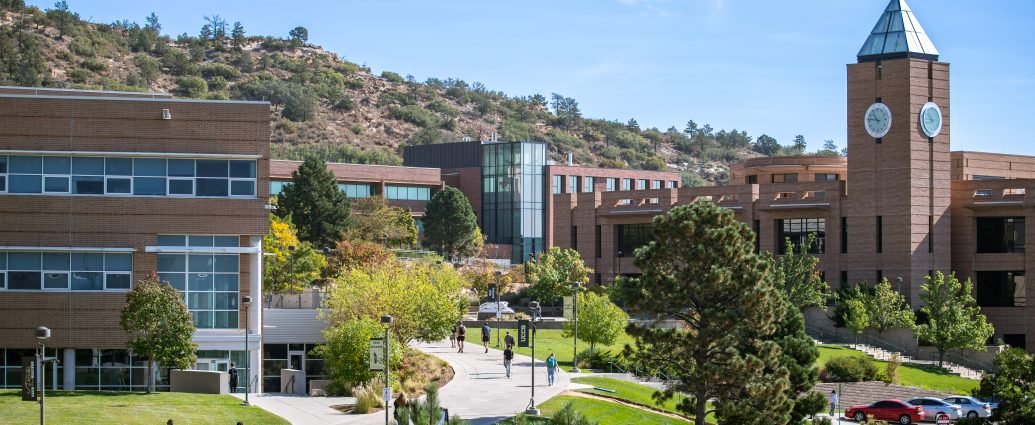
Photo courtesy of the Scribe archives