
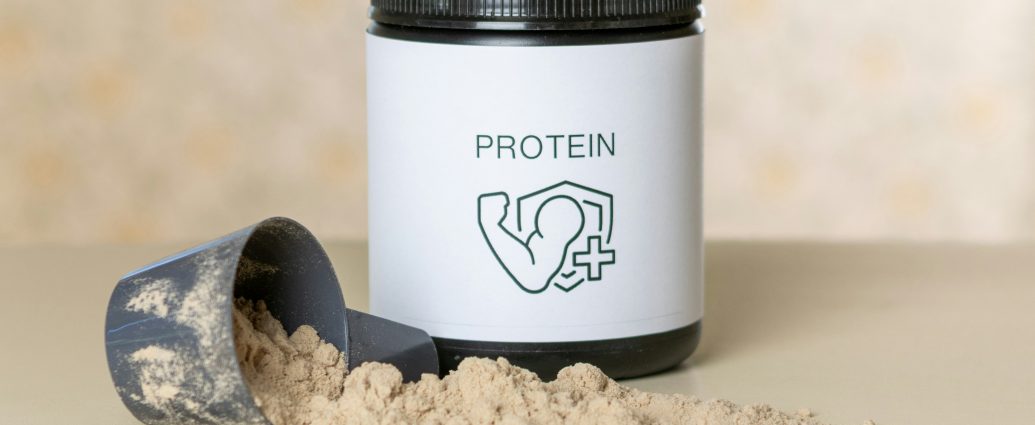
As I was walking down the aisles of Target, I was appalled at seeing what the twisted minds of the food industry were up to. Everything had a protein packed version, from chips, popcorn, Pop Tarts and even soda.
It felt like I was in an alternate universe where gym bros were put in charge of the creative department of every company, which begged the question: Why has protein become so popular and how much protein is too much protein?
How did we get here?
Every trend begins somewhere and people did not just fall in love with protein out of the blue. Instead, this trend is reflective of American consumerism and food culture.
To be clear, his is not about throwing shade at the concept of protein, but rather about trying to see why abominations like protein soda exist.
A different trend that set off this chain reaction is the popularization of GLP-1 medications or weight management medications.
Libby Lawson, a dietitian at the Wellness Center, believes these medications played a major role in the protein trend.
“When patients are on these medications, they really try to focus on maintaining their lean muscle mass, and to do so, they encourage those individuals to eat more protein,” Lawson said.
For those who watched the Super Bowl, the commercials made it evident that these kinds of medications are everywhere, and their popularity has created a large need for protein.
The other piece of this protein puzzle is good old-fashioned capitalism. With GLP-1 medications creating a sudden need for protein, companies wasted no time taking the opportunity to fulfill this protein demand.
“You’re not eating a Pop Tart to get more protein. You’re eating it because it tastes good and it’s kind of a treat. So, I think it’s just another way for companies to make more money,” Lawson said.
While the popularity of weight loss medications started this domino effect, they are not the only ones capitalizing on the trend.
The miseducation of consumers
Social media is also to blame for protein finding its way into all our snacks because of course it is, everything is social media’s fault. It has made it easy for influencers to spread fad diets, often in an attempt to sell you their supplements or work out plans.
The truth is, the diets influencers preach are tailored to their specific lifestyle and aren’t the all-in-one solution to weight management,
“As consumers watching those videos we think ‘oh they’re talking to me this person knows who I am,’ but they don’t know your background, conditions or your lifestyle,” Lawson said.
Influencers are great at selling themselves, using their lavish lifestyles to convince you that one day you could be just like them.
“It is a very unrealistic snapshot of what life may be. So, for us who live in the real world to get a glimpse into this kind of fantasy world is very attractive,” Lawson said.
I believe that the miseducation of consumers also comes from our obsession to find the shortcut to dieting.
GLP-1 medications are seen as the shortcut to losing weight, explaining their popularity and with their emphasis on protein emphasizing has given companies the chance have set out to create the shortcut to consuming protein. Why give up potato chips when you could just eat chips with protein in them and convince yourself that they are healthy?
Doctor’s note
Protein intake is important when it comes from good sources and here are much better options to meet your protein intake for the day than protein soda.
Lawson recommends protein sources from whole foods like dairy products, meat sources, nuts, legumes and seeds rather than manufactured foods. Getting protein from these fortified foods can harm other aspects of your diet due to the additional fat, sugar and salt.
While the trend right now makes it seem like it’s all about protein, it is important to show love to other aspects of our diet. Consuming too much protein misses out on other essential nutrients, like fiber and micronutrients that come from plants, fruits, vegetables and seeds.
Trying to figure out a healthy diet can seem overwhelming with so many different sources telling us different things leaving us not knowing what to believe. As college students, it can feel like there is not enough time to analyze and decipher all this information about healthy diets but help is available.
Every UCCS student gets three free appointments in the Wellness Center with qualified experts like Libby Lawson who will offer advice on any physical or mental health needs, whether that is finding a diet that works for you or coming in with questions about nutrition.
For nutrition inquiries students can call 719-255-4444 to schedule an appointment with a dietitian.
Protein. Photo by Aleksander Saks on Unsplash.